
By Alex Heavner; Credit Analyst, Y&A Credit Services
It is no surprise that building your credit is much more difficult than destroying it. Experts estimate that around 45 million Americans do not even have a credit score.
This group includes approximately 26 million individuals who are credit invisible — those without a credit history at the three major credit bureaus — and 19 million with thin or unscorable credit files.
Traditionally, lenders rely on credit reports, utilization, and the length of credit history to assess creditworthiness.
With the digital boom of the 2010s, fintech companies pioneered the use of alternative data to bring more borrowers into the financial mainstream.
These efforts aim to provide more inclusive, real-time insights into a borrower’s ability and willingness to repay debt.
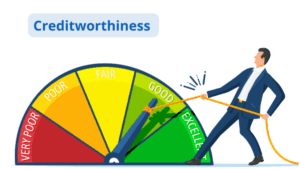
Types of Alternative Data Being Used
Modern lenders and data aggregators have found several non-traditional data sources that can indicate creditworthiness, including:
- Rent payments: On-time rent payments are one of the strongest indicators of financial responsibility for consumers without mortgage histories. Services like RentTrack and LevelCredit report rent payments to bureaus.
- Utility and telecom bills: Payment histories on water, electric, gas, and mobile phone bills can show how consistently a consumer meets financial obligations.
- Subscription services: Through services like Experian Boost, payments for Netflix, Hulu, or other recurring subscriptions can be used to strengthen a credit file.
- Bank transaction data: Analyzing income deposits, recurring bills, and cash flow from checking and savings accounts can provide insight into the financial stability of a borrower. This is especially common in open banking models enabled by APIs like Plaid or MX.
- Employment and education history: Certain alternative scoring models, particularly those used internationally or by startups, incorporate job stability, industry, education level, and professional certifications as proxies for future income and repayment capacity.
- Social media and behavioral data: Though controversial, some experimental models have assessed consistency in online behavior, device usage, or even language patterns on social platforms to infer risk. These models are rare in the U.S. due to privacy and regulatory concerns.
- Insurance, rent-to-own, and payday loan history: Nontraditional financial products may also yield data that can supplement thin files—though care must be taken to avoid perpetuating high-risk lending patterns.
Benefits of Using Alternative Data
- Expanded access to credit for the underbanked and credit invisible.
- More frequent updates, allowing real-time assessments of financial health.
- Better risk segmentation, especially in conjunction with traditional models.
- Potential for compliance with fair lending laws, provided models are explainable and data is obtained with consumer consent.
Risks and Considerations
- Data privacy and consent: Consumers must opt-in for certain data types, especially bank transactions or subscription history.
- Model explainability: Lenders must be able to explain adverse actions to borrowers under the Equal Credit Opportunity Act (ECOA).
- Regulatory scrutiny: The Consumer Financial Protection Bureau (CFPB) and Federal Reserve have emphasized the need for fairness, transparency, and non-discrimination in alternative credit scoring.
Recommendations for Community Banks and Credit Unions
Implementing alternative credit scoring models can be a powerful tool for enhancing financial inclusion and capturing underserved market segments.
Key steps for smaller financial institutions to get started:
1. Start with Rental and Utility Data
Partner with vendors like LevelCredit, RentTrack, or Esusu that provide verifiable and reportable alternative payment data. This low-barrier entry point can help expand lending to young renters and non-homeowners.
2. Use Bank Transaction Data Through Open Banking APIs
Explore partnerships with fintech enablers like Plaid, Finicity, or MX to pull real-time checking and savings account data with customer permission. This can enable cash flow underwriting for small personal loans, credit cards, or small business loans.
3. Integrate Alternative Data into Manual Underwriting
For institutions not ready to adopt full alternative scoring models, underwriters can begin using rent, utility, and bank statement data in exception-based decisions or as compensating factors for borderline credit files.
4. Educate Members and Borrowers
Create marketing and financial education campaigns to inform customers that their rent and utility payments can now help them qualify for loans. Transparency builds trust and increases opt-in rates.
5. Conduct a Pilot Program
Select a product line—such as personal loans under $5,000—and test alternative data scoring on a small scale. Use internal benchmarking to assess default rates, borrower satisfaction, and ROI.
6. Ensure Regulatory Compliance
Collaborate with compliance and legal teams to ensure that all alternative data use complies with the Fair Credit Reporting Act (FCRA), ECOA, and other applicable laws. Use only consumer-permissioned data and ensure you maintain fair lending oversight.
7. Use Hybrid Scoring Models
Adopt tools that integrate both traditional credit data and alternative data into a single risk model. This provides a more holistic picture and improves risk segmentation without abandoning conventional risk management practices.
8. Leverage CUSOs or Vendor Partnerships
If your internal resources are limited, work through a Credit Union Service Organization (CUSO) or regional banking associations to access shared vendor resources or deploy collaborative technology.
Conclusion
The use of alternative data in credit decisioning is not just a fintech trend — it’s a necessary evolution to ensure equitable access to financial services. For community banks and credit unions, embracing these tools can unlock new markets, reduce reliance on traditional credit bureaus, and offer tailored credit options for the next generation of borrowers.
By starting small and building a compliant, transparent framework, these institutions can stay competitive and deepen member relationships. All while continuing to serve their core mission of supporting community growth.


